







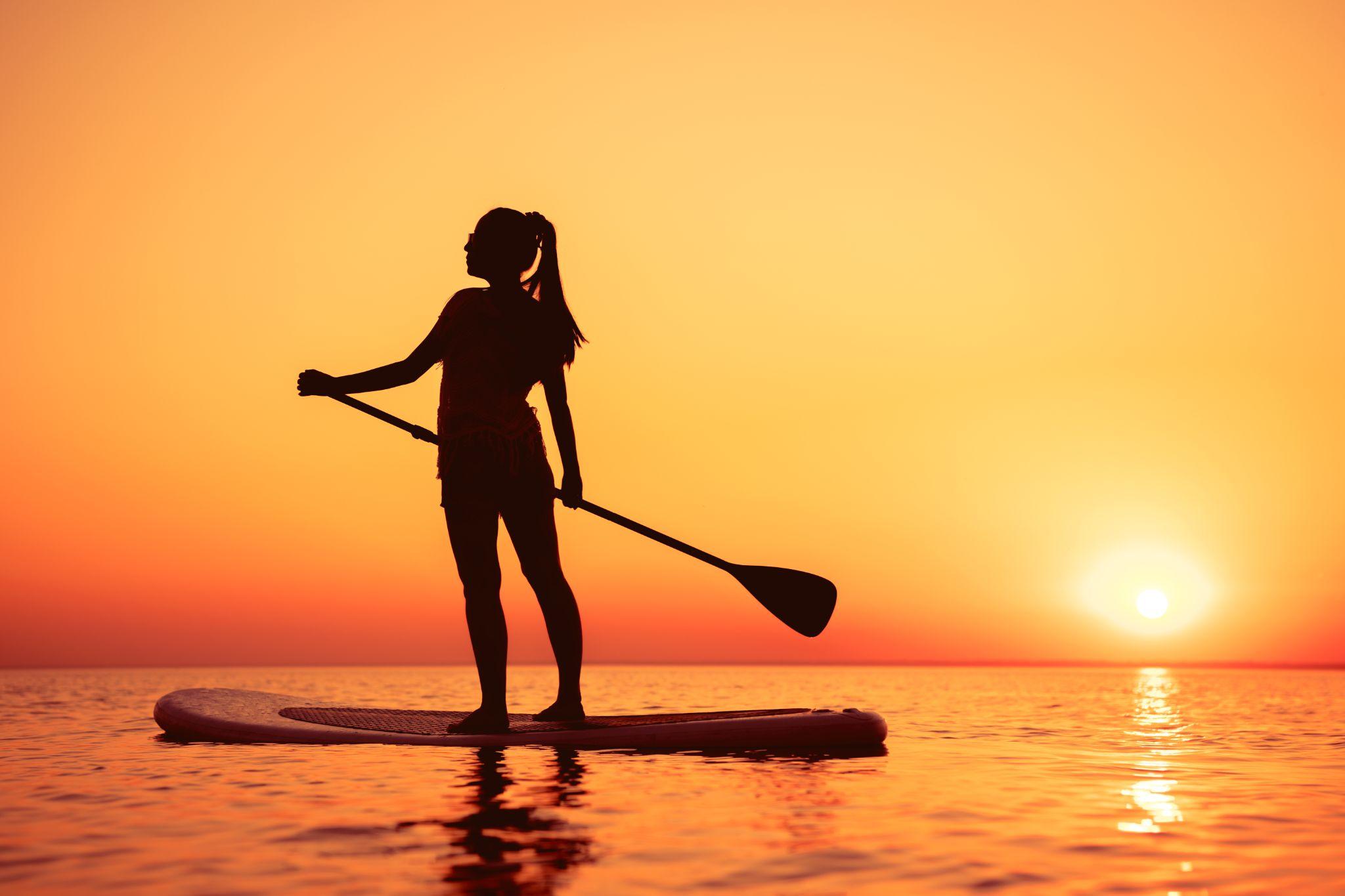
Paddleboarding certainly looks simple. You stand, balance, and glide across calm water. It’s relaxing, beginner-friendly, and often thought of as a low-risk activity. But the official statistics tell a different story. The Coast Guard’s latest data, released June 24, 2025, reveals that while boating deaths overall fell to their lowest levels in decades, paddleboarder deaths spiked.1
Standup paddleboarding (SUP), as it’s often called, may be growing in popularity, but it’s also proving more dangerous than many realize. For anyone involved with this recreational activity, beginner or veteran, it’s worth looking into the possible causes of this alarming trend.
Highlighting paddleboarding death statistics isn’t meant to cause needless alarm. It’s to demonstrate that most accidents are preventable. A closer look at the numbers shows how small safety steps can save lives.
The Numbers Behind the Spike
Paddlecraft (kayaks, canoes, and standup paddleboards) made up more than a quarter of all U.S. boating deaths in 2024.1 Within that category, paddleboard deaths stood out.
The Coast Guard reported 29 fatalities on standup paddleboards in 2024.1 That may sound small compared to larger vessel types, but it represents the highest share of paddleboarding fatalities ever recorded. Ten years ago, deaths in this category were rare. Now, they make up about 5 percent of all boating deaths nationwide.
Even more concerning is the cause. Of those 29 paddleboarder deaths, 26 were drownings.1 This matches a long-term trend: nearly all SUP fatalities involve drowning.
Why Are Paddleboarding Fatalities Rising?
The sharp rise in paddleboarding deaths points to a handful of recurring issues.
- Life jackets: The Coast Guard report found that 87 percent of boating-related drowning victims in 2024 were not wearing a life jacket.1 For paddleboarders, that statistic is even more striking. A personal flotation device (PFD) is the simplest, most reliable safeguard against this threat, yet many neglect to wear one.
- Improper or missing leashes: Paddleboard leashes keep riders connected to their boards. Using the wrong type, or none at all, can mean being separated from the only flotation device nearby.
- Unfamiliar conditions: Paddleboarding is most common on lakes and calm waterways, but wind, current, or fatigue can turn a routine outing into a dangerous one.
- Inexperience: The data shows many boating victims lacked formal safety education.1 Paddleboarding attracts a lot of casual participants, many of whom never take a course or review safety basics.
- Calm-weather complacency: Strikingly, many boating accidents happen in fair weather. Good visibility and light winds can give a false sense of security.
These findings reinforce the fact that the smallest adjustments, from buckling a life jacket to clipping a leash, can make the difference between safety and disaster.
Lessons From the Data
The Coast Guard numbers leave little doubt. Paddleboard accidents often come down to preventable factors. Here are the biggest takeaways.
- Wear a life jacket. Drowning accounts for the overwhelming majority of paddleboarding deaths. The data is consistent: life jackets save lives.
- Use the right leash. An ankle or calf leash is fine on flatwater, but quick-release leashes are recommended for rivers where entanglement is a risk.
- Get educated. Even a short online program can teach skills that make a difference.
- Plan. File a float plan, check weather reports, and bring backup gear.
- Make yourself visible. Sharing the water with boats means you need to be seen. Reflective gear and lighting matter as much as flotation.
The lesson is simple: paddlers who treat safety as routine are far less likely to become part of the Coast Guard’s sobering statistics.
Visibility and Safety After Dark
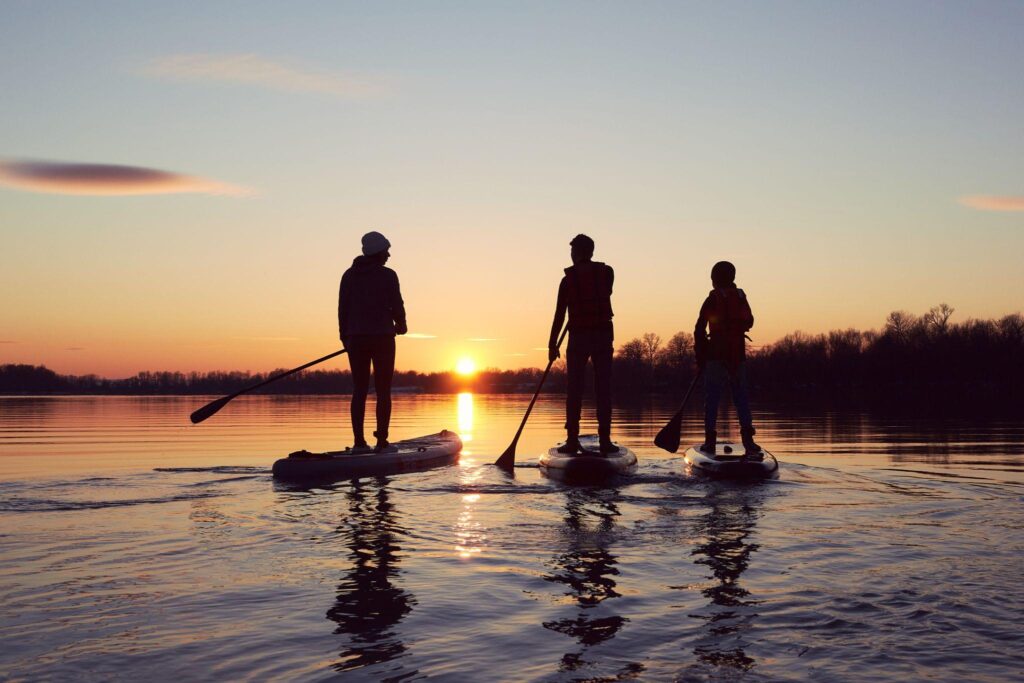
The risks rise dramatically when paddleboarding near dusk or in low light. Kayaking safety studies note the importance of turning lights on before sunset, using reflective gear, and signaling clearly to boaters.
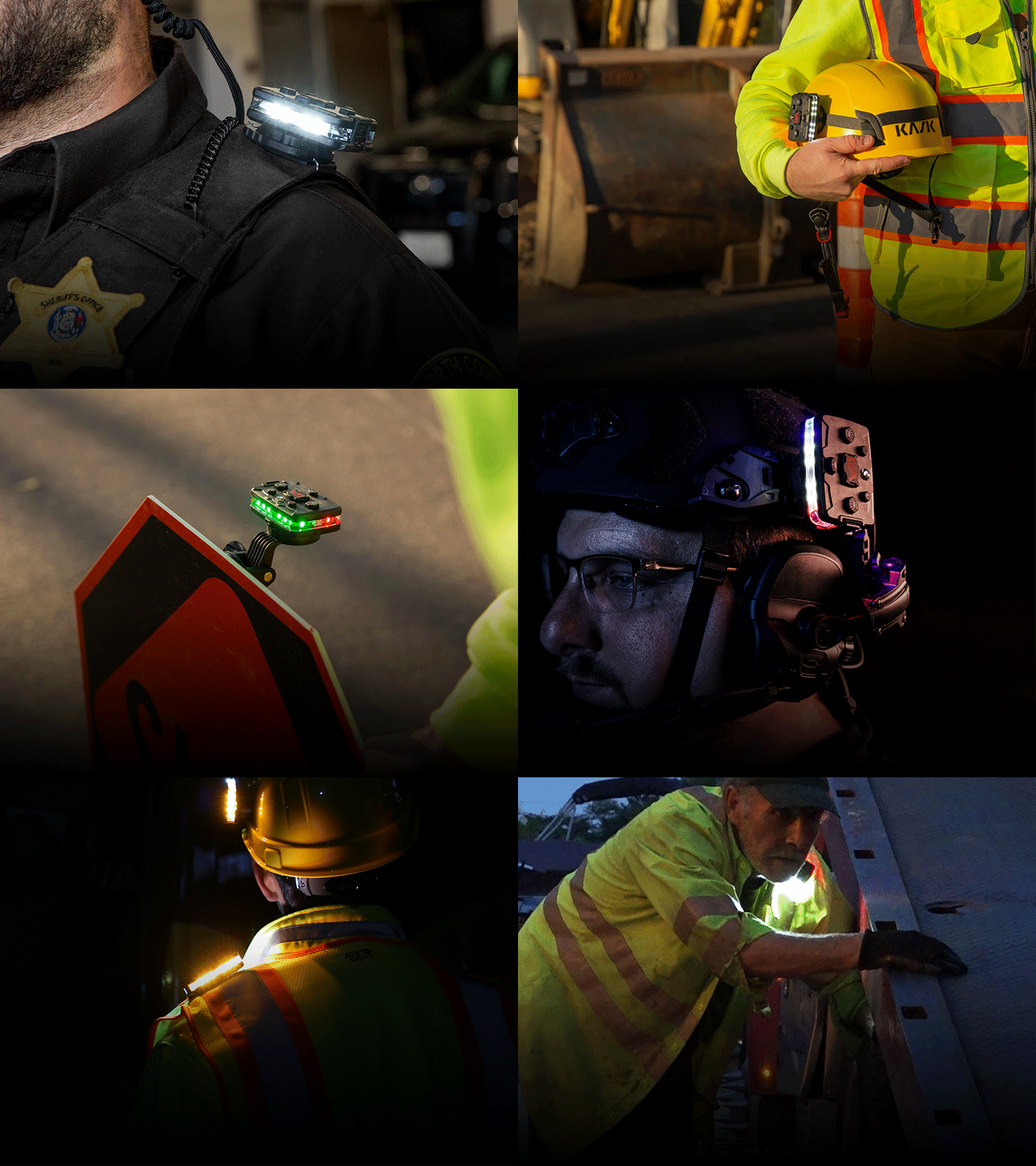
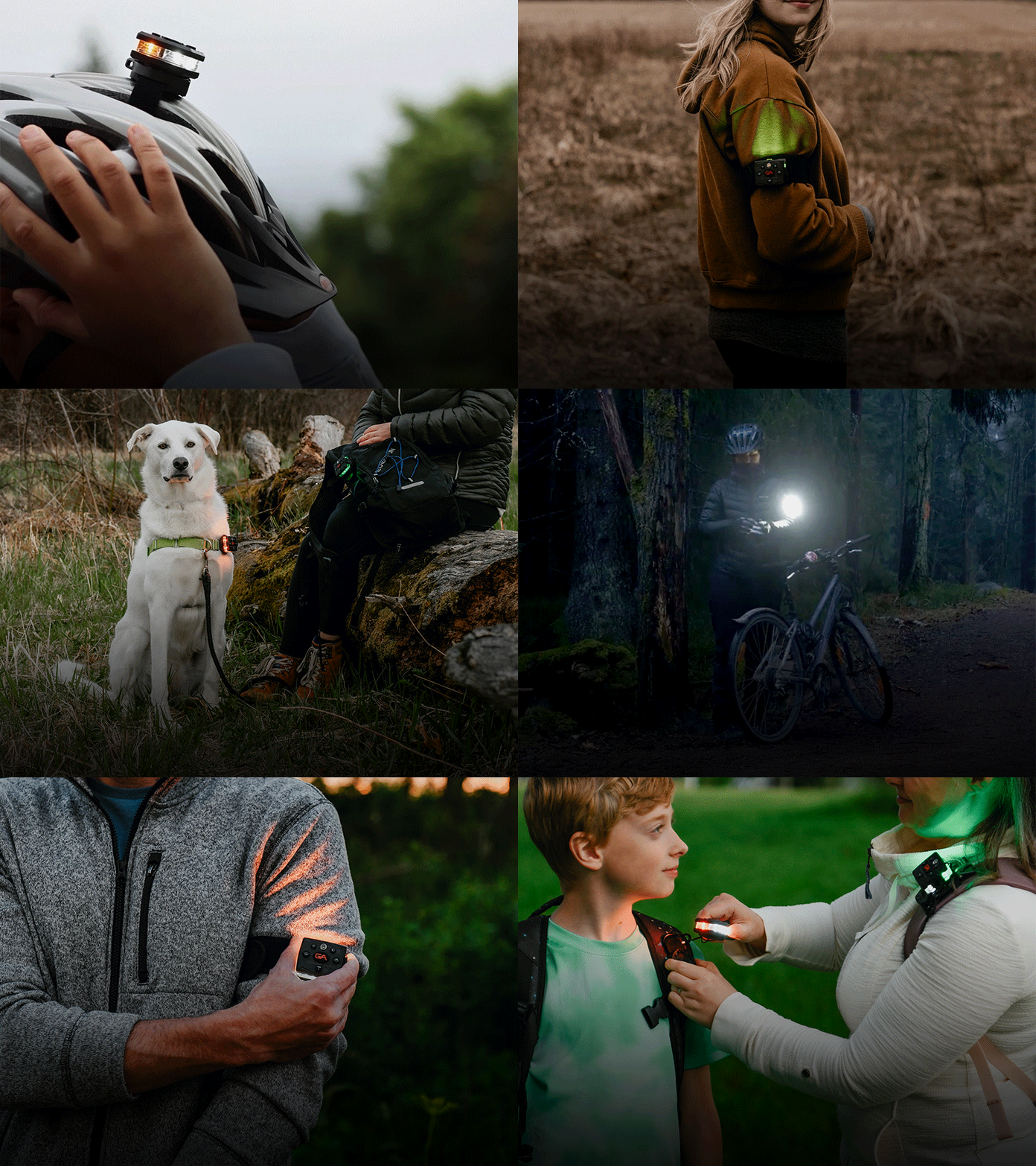
A reliable light for a paddleboard can make the difference between being seen and being overlooked. That’s where wearable options designed for paddlers, like Guardian Angel kayaking lights, can provide substantial help.
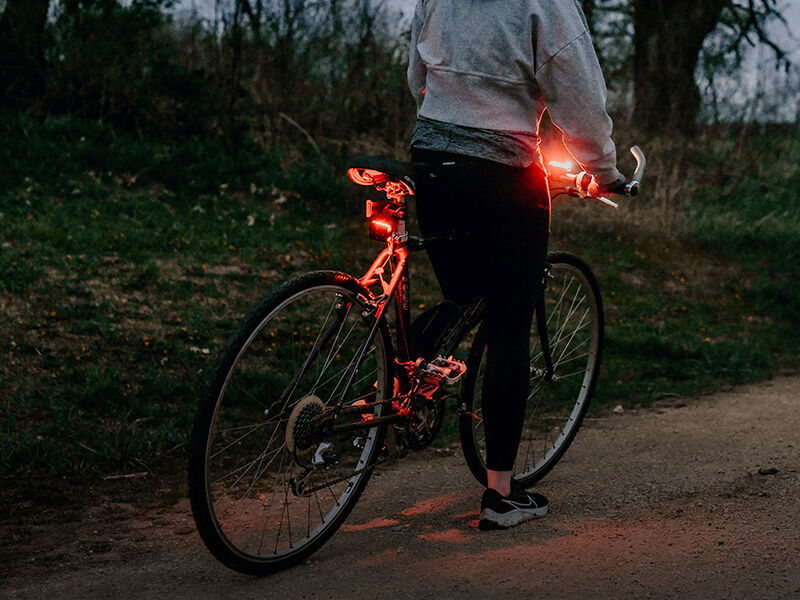
Guardian Angel lights clip easily to clothing or gear (the optional no-drill foam adhesive mount provides additional attachment choices), shine in all directions (for over two nautical miles), and free up hands for paddling. Bringing one along on your next trip can ensure you’re visible to others on the water so that a relaxing evening paddle doesn’t turn into a close call.
Takeaways for Every Paddler
The rise in paddleboarder deaths is troubling, but the message is clear: safety steps work.
- Wear a life jacket every time.
- Choose and use the correct paddleboard leash.
- Carry a waterproof light, whistle, and communication device.
- Check the weather before launching, and be ready to adjust your plan.
- Consider a safety course, even if you only paddle casually.
Paddleboarding is fun largely because of its simplicity. You don’t need to complicate it, but it’s important to take a few simple steps to prepare for your fun in the sun. Doing so can make the difference between a safe outing and a tragic paddleboard accident.
The sport is still growing, and with it comes a responsibility to make safety part of every trip. Put on a PFD, clip in with the right leash, and bring a light for a paddleboard if you’re heading out near dusk. With a few simple steps, paddleboarding stays what it should be: an easy, joyful way to enjoy the water.
Sources
- U.S. Coast Guard. 2024 Recreational Boating Statistics.