







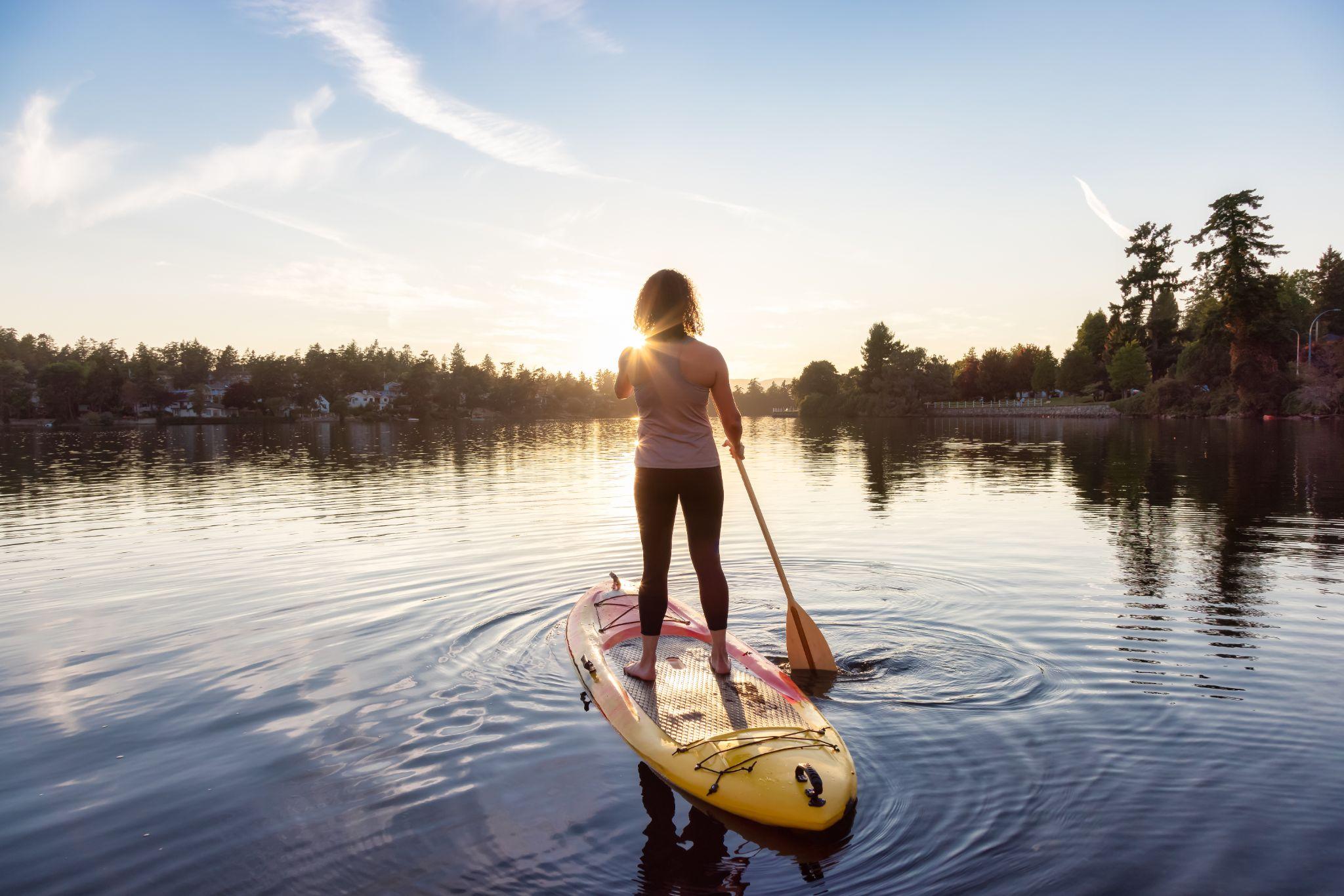
Like any sport, stand-up paddleboarding (SUP) rewards consistency. The more often you practice, the smoother your balance, strokes, and turns become. The best paddlers are the ones who repeat small habits that keep every session controlled and enjoyable. The same is true for safety. From checking the forecast to clipping on the right leash, your safety routines turn into muscle memory over time.
Building safety into your paddling is less about preparing for rare emergencies and more about stacking the odds in your favor on ordinary days. Let’s look into how you can create a set of repeatable paddleboarding safety habits that protect you on the water.
1. Start With a Pre-Paddle Routine
A quick gear check before launching reduces surprises on the water. Make these steps part of your ritual:
- Inspect your board and paddle for loose fins or damage.
- Check inflation pressure if using an inflatable SUP, and be sure to match the manufacturer’s PSI.
- Dress for immersion with layers or a wetsuit if the water is cold.
- Pack essentials like a whistle, sun protection, and a waterproof pouch for your phone.
- Confirm PFD fit so it stays snug without riding up in the water. An ill-fitting PFD can restrict movement or even slip over your head, making it harder to remount your board after a fall.
- Hydrate and fuel up before launching, and bring water or light snacks for longer paddles.
Going through this checklist every session ensures you meet standard paddleboard safety requirements and build habits that quickly become second nature.
2. Check Weather, Wind, and Tides Every Time
Conditions can change quickly, and wind is often the biggest factor in paddleboarding safety. Before heading out, look up the marine forecast and tide tables. Pay close attention to wind direction: an offshore wind can carry you away from land faster than you realize.
A smart habit is to begin paddling into the wind so that the return leg is easier. On rivers, also consider upstream rainfall, which can increase flows hours later.
Making a habit of checking forecasts and conditions before every outing helps prevent you from being caught off guard mid-session.
3. Plan Routes With Safety in Mind
Good paddleboard safety habits include planning routes suited to your ability and experience. Keep the shoreline in view, especially if you’re newer to the sport. Choose flat, calm water for most sessions and save surf or tidal conditions for times when your skills are ready.
Share a simple “float plan” with a friend. Note your launch point, route, and expected return time. That way, someone knows when to expect you back.
4. Rent From Reputable Outfitters
If you’re renting gear, try to find a shop or school that teaches paddleboard safety. They’ll often recommend the correct paddleboard leash for the body of water you plan to paddle: ankle, calf, or quick-release waist.
Avoid unverified sources that can’t guarantee safe equipment. Reputable rental shops can also share local knowledge on hazards and safe launch points. Making it a habit to rent from trusted places ensures you’re not cutting corners on safety.
5. Visibility and Communication: Be Seen and Reachable
A large part of paddleboard safety is making sure others can see and hear you. Wear bright or reflective clothing, and keep a whistle accessible on your PFD. Carry your phone in a waterproof pouch on your body, not stashed in a deck bag.
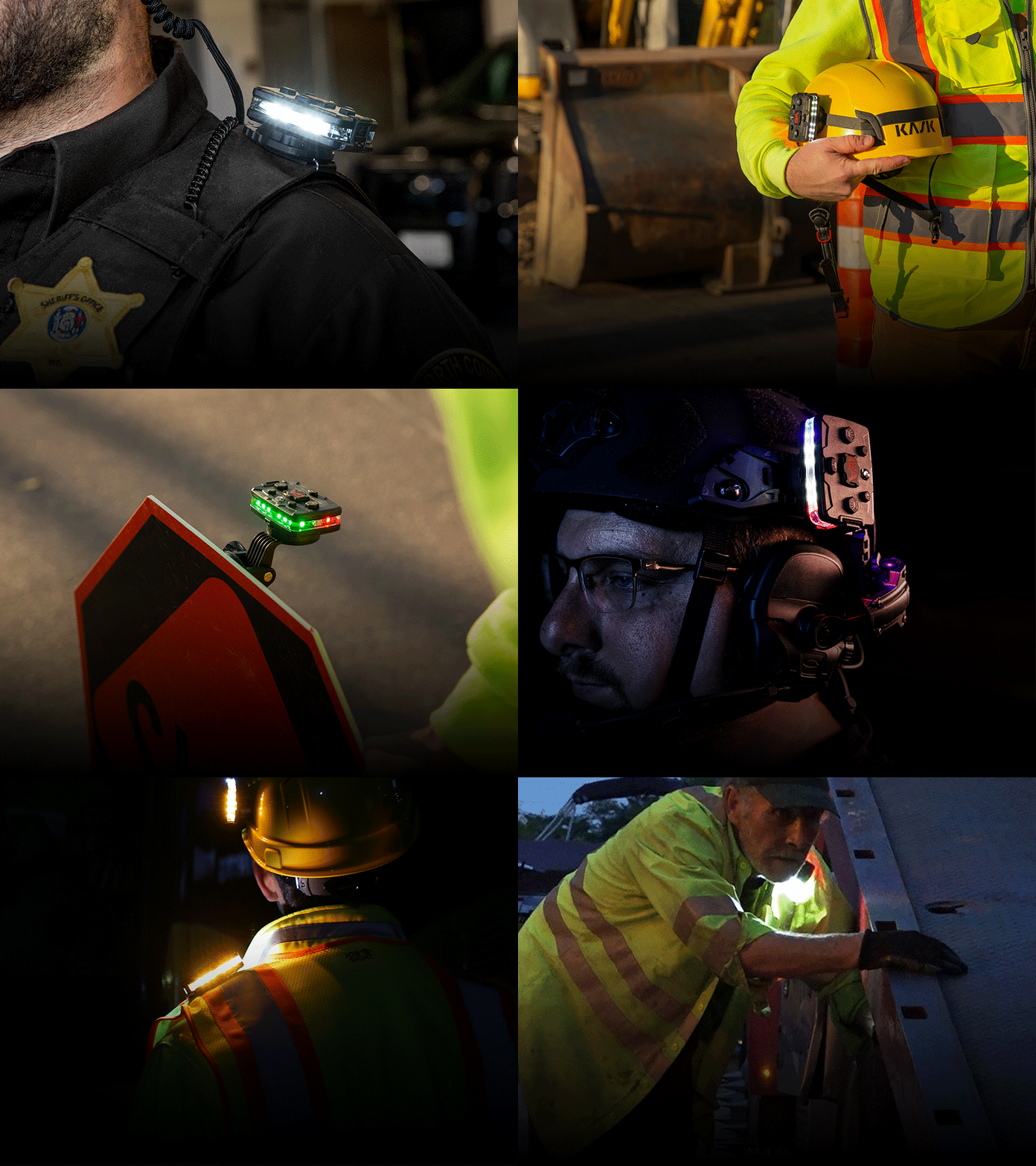
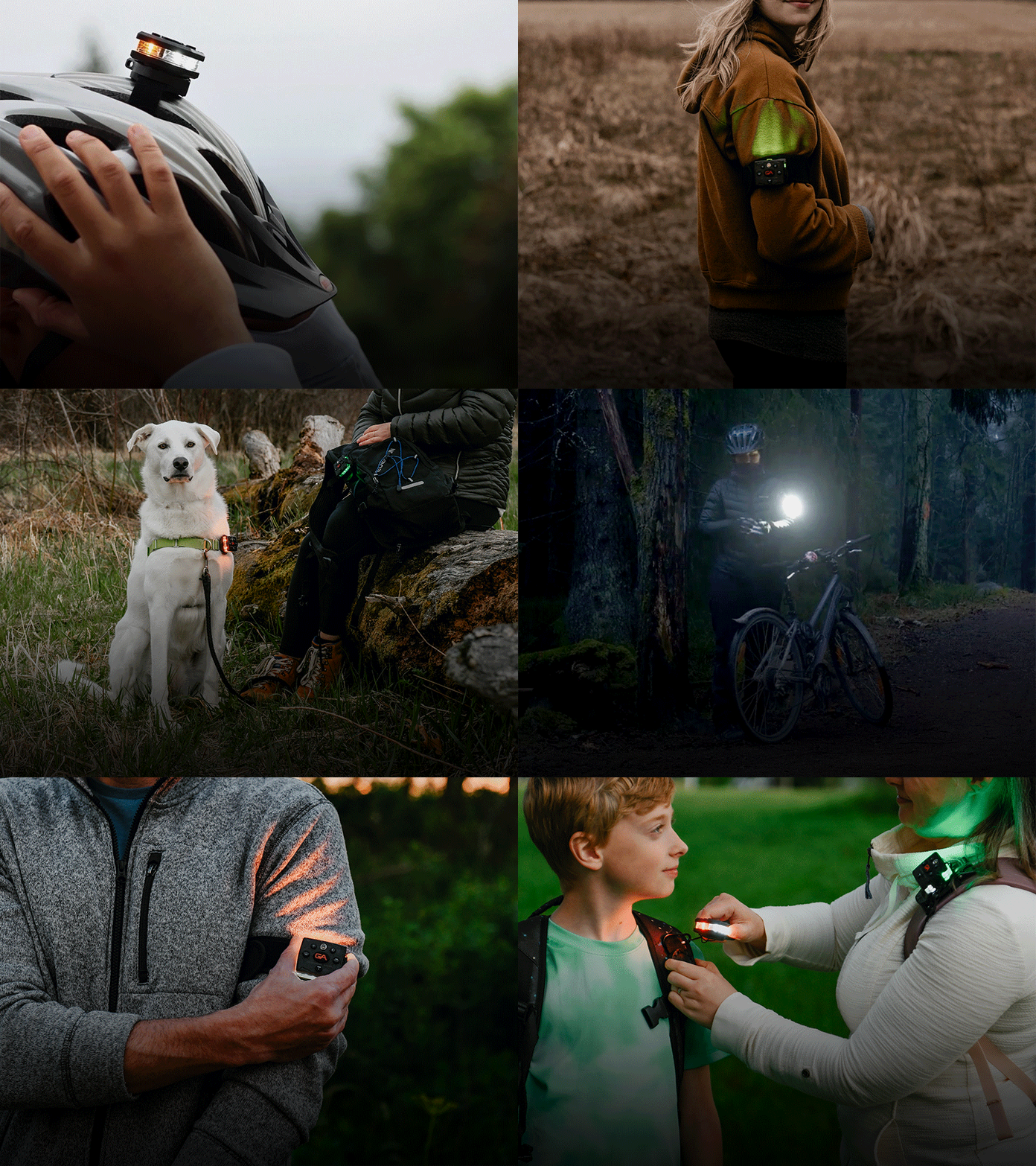
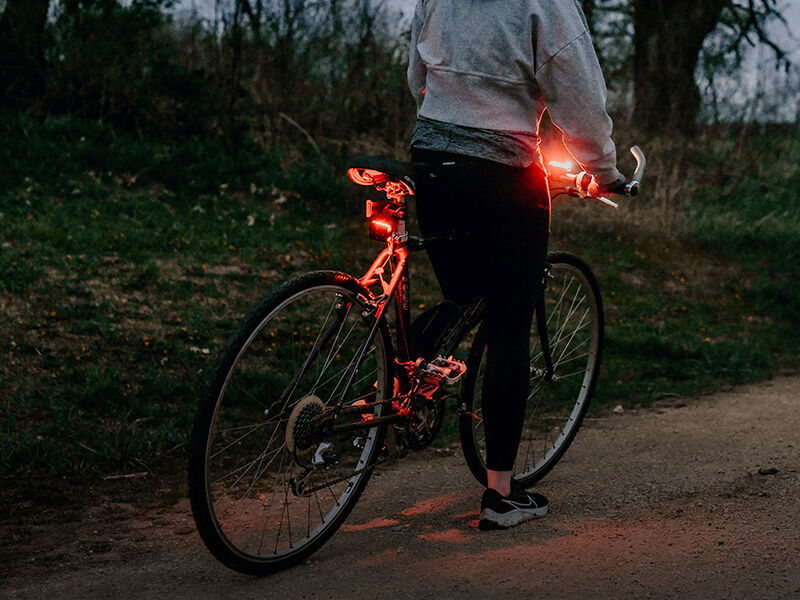
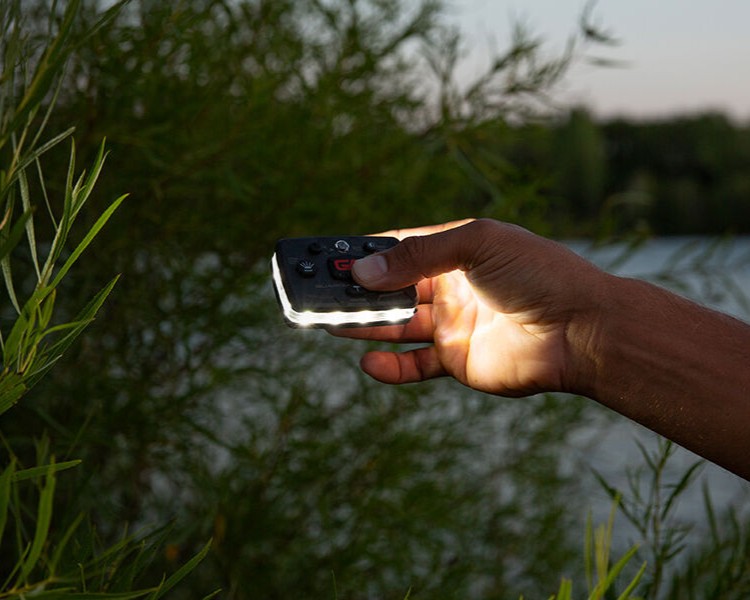
Lighting is another overlooked safety habit. Remember that the Coast Guard requires paddlers to display a white light after sunset. Packing a Guardian Angel light and clipping it to your PFD or shoulder strap improves 360-degree visibility at dawn, dusk, or in low-light conditions. It’s also a powerful signaling tool if you need help.
6. Leash Smarts: Match Conditions, Practice Release
Leashes connect you to your board, which often becomes your biggest flotation device. Practicing paddleboard leash safety means choosing the right type for the water.
On calm lakes or bays, use an ankle or calf leash to stay close to your board after a fall. On rivers or tidal waters, a quick-release waist leash is the safer option, allowing you to disconnect if it snags. Practice pulling the quick-release on land so the movement becomes second nature.
7. Paddle With Awareness (and a Partner)
Conditions shift quickly, even on familiar routes. Strengthen your paddleboarding safety by building these habits:
- Scan your surroundings constantly for boats, jet skis, swimmers, or changing weather.
- Avoid hydraulic hazards such as weirs, low-head dams, spillways, and turbulent river mouths. Obey posted exclusion zones and follow local signage.
- Lower your center of gravity by dropping to your knees in rough water or tight spaces. This increases stability, reduces the chance of falling, and makes it easier to paddle with control until conditions improve.
- Practice communication with whistles or light signals to stay connected in groups.
Whenever possible, paddle with a friend. Not only is it more fun, but it also adds a layer of safety if something goes wrong.
8. Post-Paddle Safety Routines
Safety doesn’t end once you’re back on shore. Build a few wrap-up habits that protect both you and your gear:
- Rinse your board, paddle, and leash with fresh water to remove salt or sand that can weaken equipment.
- Check your gear for damage so you don’t discover a crack or frayed leash cord at your next launch.
- Review conditions and choices with your paddling partner, so you understand what worked and what could be safer next time.
- Charge or reset your Guardian Angel light so it’s ready for the next session.
These simple post-paddle steps round out a full safety cycle, keeping both equipment and paddlers in good condition.
Build Skills Over Time
Strong habits are built on solid training, which can be effectively reinforced with proper education. Taking a formal SUP class teaches self-rescue, hazard recognition, and efficient paddling technique. Even experienced paddlers benefit from occasional lessons to refine their skills. No matter which pathway you choose, commit to ongoing learning as part of your safety journey.
Finally, remember visibility. Clipping on a Guardian Angel wearable LED light takes seconds but can make you stand out to boaters or signal for help in an emergency. It’s one of the small habits that ensure you can enjoy the sport with confidence and respect for the water.