







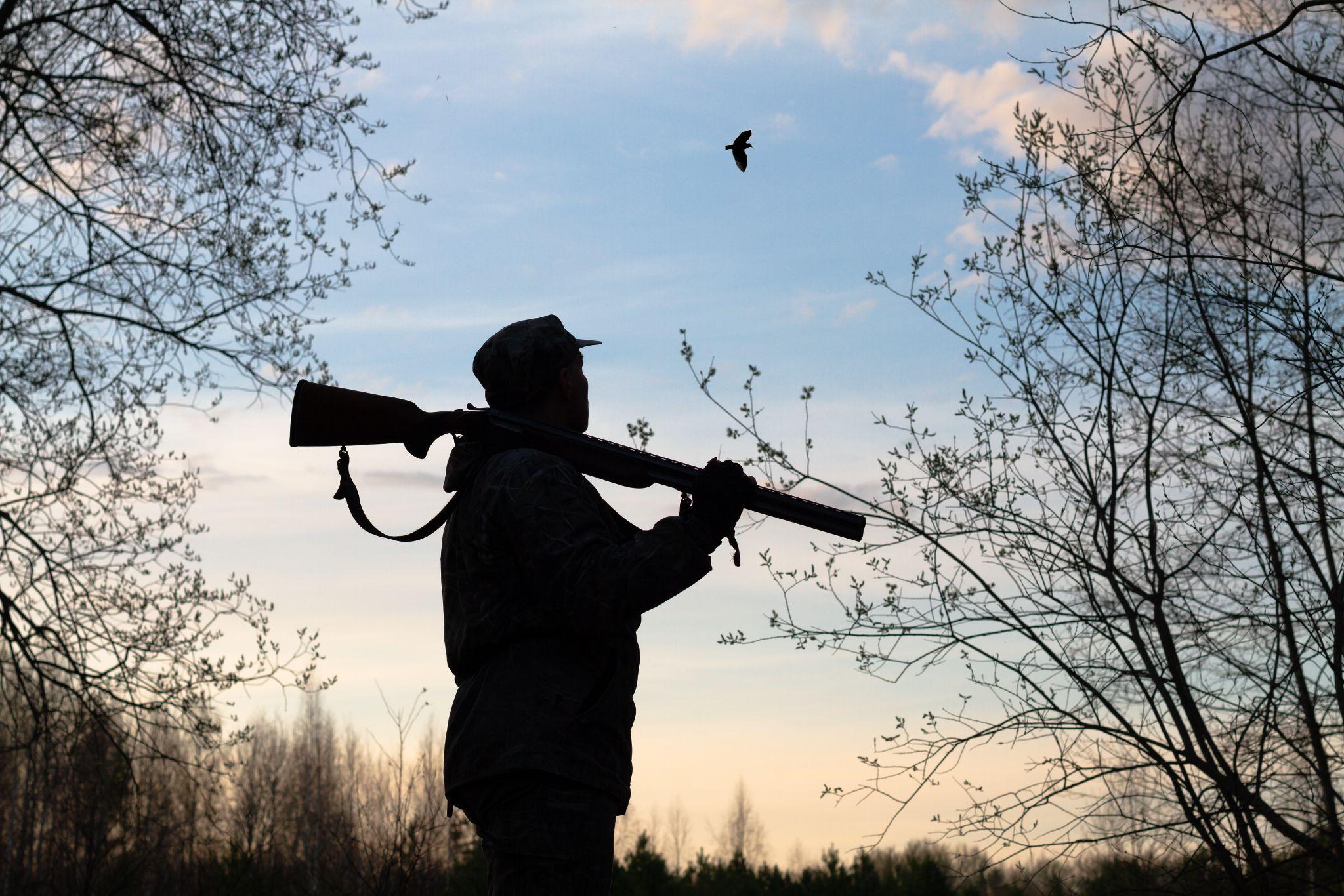
Hunting in the night changes every familiar rule. Depth perception decreases and colors flatten, while even small sounds travel farther through the dark. Under brighter moonlight, animals often shift their feeding patterns, especially deer and coyotes. As a consequence, you have to move more slowly and rely more on hearing, so every step must be deliberate.
Temperature drops are another factor. Cold air drains batteries quickly and makes hands less responsive, which can slow your reactions. In these situations, a flashlight or wearable hunting light is essential safety equipment. Let’s explore what you need to know when it comes to hunting in the dark.
Know the Laws Before You Hunt
Night hunting laws differ widely across the country. Most states prohibit deer hunting at night, while predators such as coyotes and bobcats are often legal after dark only with proper permits. Some states require additional stamps or limit where artificial lights or thermal-imaging/night-vision equipment can be used.
Always check your state’s wildlife agency or Department of Natural Resources for the latest updates. Certain areas restrict the use of spotlights near roads or residences, even on private property. Landowner permission is essential when accessing private land after dark. Following these rules protects both your license and the reputation of responsible night hunters.
Scout, Plan, and Communicate
Scouting your area in daylight gives you a safer, more confident plan for nighttime hunting. Identify landmarks and potential hazards before sundown, and mark safe backstops. Mark entry and exit points on a GPS or mapping app, and save coordinates for blinds or bait sites.
If you’re hunting with others, plan your positions and hand signals in advance. A group that coordinates light use avoids confusion and accidental exposure of hunting spots. Always tell a trusted contact where you’ll be and when you expect to return. Clear planning before hunting at night can prevent confusion and accidents once darkness sets in.
Choosing the Right Lighting Tools
The best setup for hunting at night includes multiple tools. A reliable headlamp keeps your hands free, while a compact flashlight or wearable light covers close work and signaling. Look for adjustable brightness and cold-weather battery reliability, along with IP-rated waterproofing.
Pack a backup power bank or extra batteries. Cold conditions shorten runtime, so store spares inside your jacket. Secure your lights to prevent vibration or noise that could reveal your location. The right hunting light helps you navigate safely while blending into your surroundings when necessary. As always, Guardian Angel lights provide an excellent resource for illuminating the immediate environment.

Guardian Angel Wearable Lights for Night Hunting
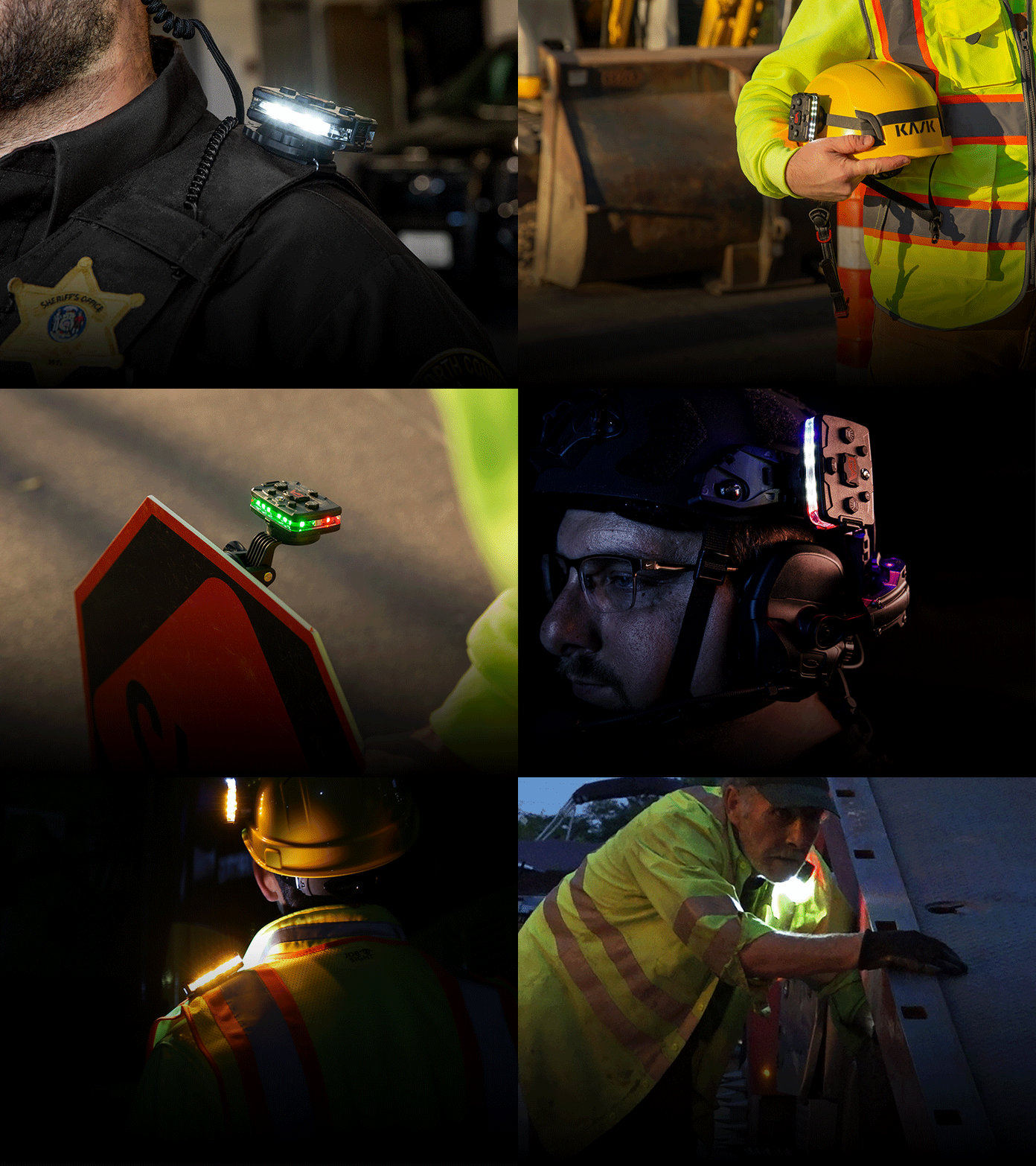
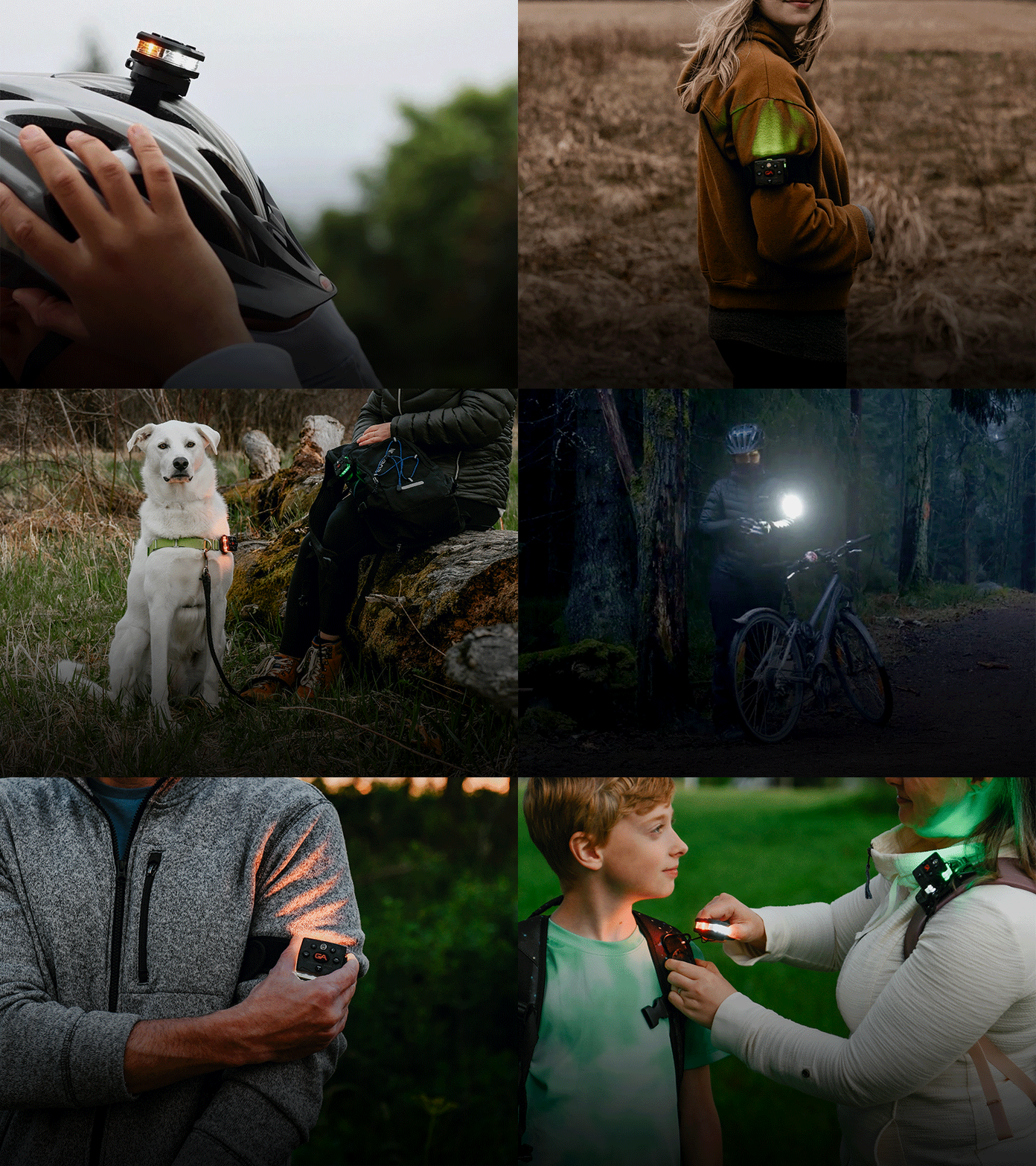
Hands-free lighting makes a major difference during nighttime hunting. Guardian Angel wearable lights are built for demanding outdoor use, with a waterproof and shock-resistant housing designed to handle rough terrain, bad weather, and long nights in the field. Each light delivers 360° visibility with independent color control, so you can manage brightness and mode without fumbling for gear.
Battery life is another advantage. In standard mode, the top-facing LED can run continuously for up to a week. That combination of durability, runtime, and hands-free design provides dependable illumination without adding significant bulk to your kit.
Micro Series: White/Green
This compact light balances brightness with subtlety. The white beam provides clear visibility for setup, while green supports contrast in grass and brush with less glare than white. With four brightness settings and visibility beyond three miles, it’s ideal for quiet approaches and trail navigation. The lithium-ion battery and IP68 waterproof rating make it ready for any season.
Micro Series: White/Red
The white/red version offers the same durable housing, with the red mode providing stealth lighting that protects your night vision for quiet tasks like glassing or checking maps. Switch to white for quick gear adjustments or field dressing. The magnetic mounting base lets you attach it to a hat, chest rig, or pack strap in seconds.
Elite Series: Red/Green
For maximum performance, the Elite Series delivers visibility over five miles. Red mode offers stealth illumination for scanning or stand setup, while green mode provides high contrast for tracking or partner signaling. Independent front and rear controls allow you to adapt brightness without fumbling in the dark. The rugged magnetic mount resists impact and moisture, so it’s excellent for hunters who spend long hours outdoors.
All these Guardian Angel lights provide reliable, color-specific control that keeps your hands free and your focus on the hunt, not your gear.
Field Techniques and Best Practices
Nighttime hunting calls for careful, deliberate movement and efficient light use. The goal is to stay aware, preserve your night vision, and maintain safety from setup to recovery.
Use lights purposefully:
- Keep brightness low when walking to or from your stand, as red or green light is less likely to spook animals.
- Angle your beam toward the ground and move slowly to maintain balance and silence.
- Use white light only when necessary.
- Around camp, rely on low-intensity light for cooking or setting up tents to avoid washing out your eyes.
- Wearable lights help during tree stand setup or takedown, allowing you to keep both hands free on the ladder.
- When walking to your stand or glassing from a blind, using a red light for night hunting lets you see your path without spooking game.
Work efficiently and safely:
- Choose green light when tracking or field dressing to highlight blood trails and natural terrain contrast.
- Switch to flashing or 360° visibility mode when moving through shared hunting areas so partners can locate you easily.
- Always monitor your battery level and carry a small power bank or spare unit for backup.
The ability to change brightness and color on demand makes wearable LED safety lights especially valuable for nighttime hunting. With practice, you’ll find a rhythm between stealth and visibility that keeps both you and your hunting partners safe.
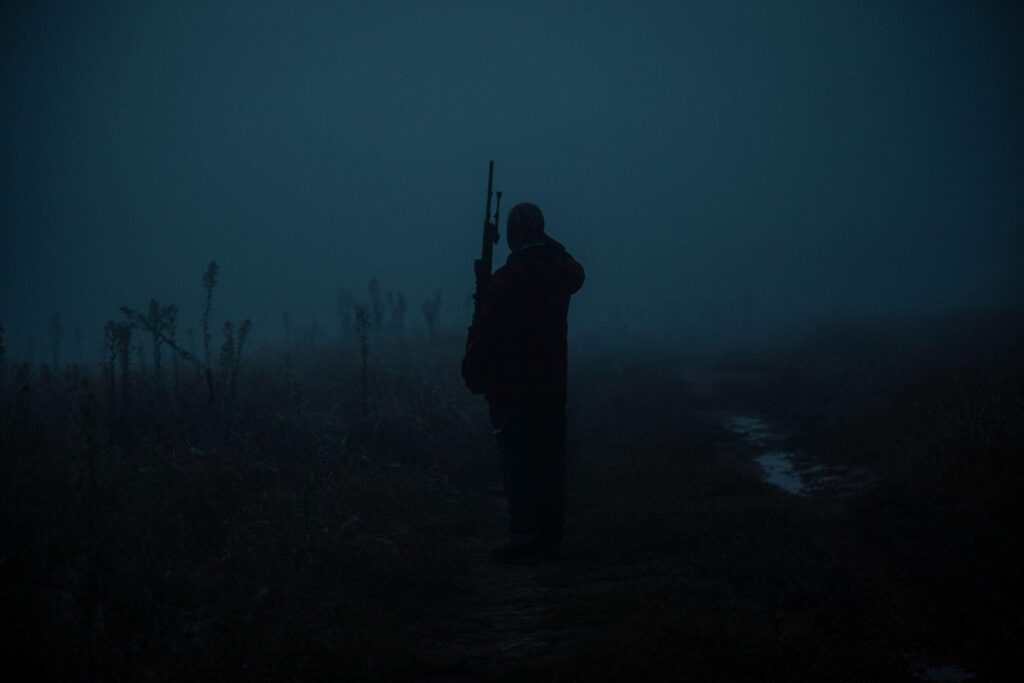
Shot Safety in Low Light
Every hunter knows firearm safety rules, but they become even more critical after dark. Reduced visibility increases the margin for error, so make each decision deliberate.
Before the shot:
- Identify your target completely.
- Confirm what lies beyond your target to avoid unsafe backdrops.
- Keep your finger off the trigger until you’re certain of both target and background.
- Limit shooting range, as judging distance in low light is unreliable.
When handling your firearm:
- Keep your muzzle pointed in a safe direction whenever you move or reload.
- If a firearm misfires, hold it steady for several seconds before unloading.
- Communicate clearly with partners when changing positions.
- Use your hunting light so others can recognize your position.
- Reassess your surroundings with your light before moving on to tracking or recovery.
After the Shot: Tracking and Recovery
When you’ve made a successful shot, use green light to locate blood trails or spot subtle terrain differences. Approach slowly, as depth perception can make obstacles like logs or dips harder to gauge. Use your GPS or place reflective markers along the trail in case you need to backtrack. If you’re hunting with a partner, announce your movement before closing in on the downed animal to maintain safety.
Guardian Angel lights make it easier to see clearly and stay visible throughout the hunt. In remote areas or backcountry terrain, visibility can be vital long after legal shooting light ends. A wearable light with strong, all-around output gives search and rescue teams a clear visual marker if you’re injured or unable to move.
When you respect the conditions and control your light, every night hunt becomes both safer and more successful. The ability to both see and be seen can make the difference between a hard night and a safe return.